Light and screens
Dim room lights roughly two steps lower than daytime. If screens remain, enable warm color schedules and park devices outside the resting space when feasible.
Navigate
Checklist
Walk the list below as a neutral observer. Items describe environment and attention habits, not clinical assessments. Skip anything that does not apply.
Jump to the steps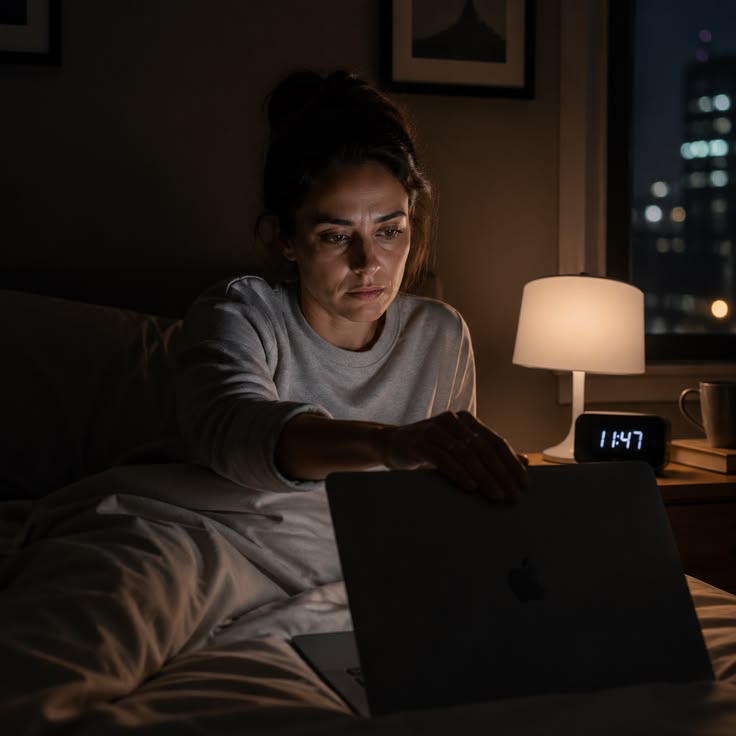
Dim room lights roughly two steps lower than daytime. If screens remain, enable warm color schedules and park devices outside the resting space when feasible.
Ventilate briefly, adjust bedding thickness, and note whether socks or a lighter blanket resolves restlessness tied to temperature preference.
Capture stray tasks on paper or voice memo, then name a single priority for tomorrow morning so your mind can set the bundle aside.
Travel, caregiving, or irregular shifts benefit from shortened versions of this list. Keep one cue constant even when the hour moves.
Steady noise textures or quiet both work. The goal is predictability, not volume perfection.
Face washing, dental care, or a brief stretch can signal transition without relying on intense fragrance or stimulants.
Ongoing sleep difficulties or frequent disruption may warrant a conversation with qualified clinicians rather than relying on online content alone.
Prep is logistics for your nervous system, not a competition about who rests "best."
Tell us about your room, schedule, and non-negotiables. We reply with a customized order of operations for educational use.
Request a draft